Latest Advancements in Biological Air Filtration Technology
Explore the latest advancements in biological air filtration, including probiotic air purification systems, air probiotics, and how living bacteria are transforming indoor air quality.
Key Takeaways
- Probiotic technology creates a healthier microbial balance
- 24/7 protection on surfaces throughout your space
- Natural and sustainable alternative to chemical cleaners
- Works with nature to create safer indoor environments
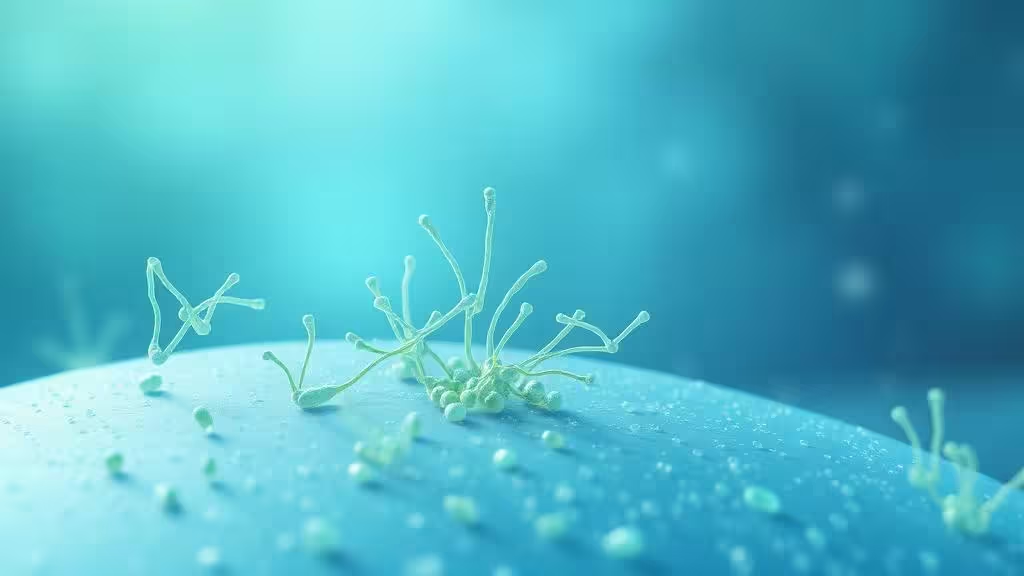
Biological air filtration represents the next frontier in indoor air quality technology. Unlike mechanical filtration (HEPA) or chemical treatments (UV-C, ozone), biological air filtration uses living microorganisms to actively manage indoor environments. The most advanced form of this technology is [probiotic air purification](/probiotic-air-purification), which deploys beneficial bacteria to treat both air and surfaces continuously.
The concept of air probiotics, sometimes called environmental probiotics or Enviro-Biotics, emerged from decades of research into competitive exclusion, an established principle in microbiology. When beneficial bacteria are introduced into an environment, they compete with harmful organisms for nutrients and surface space. By consuming the organic matter that pathogens, mold, and allergens depend on, probiotic bacteria effectively suppress their growth without chemicals.
"Biological air filtration represents the next frontier in indoor air quality technology
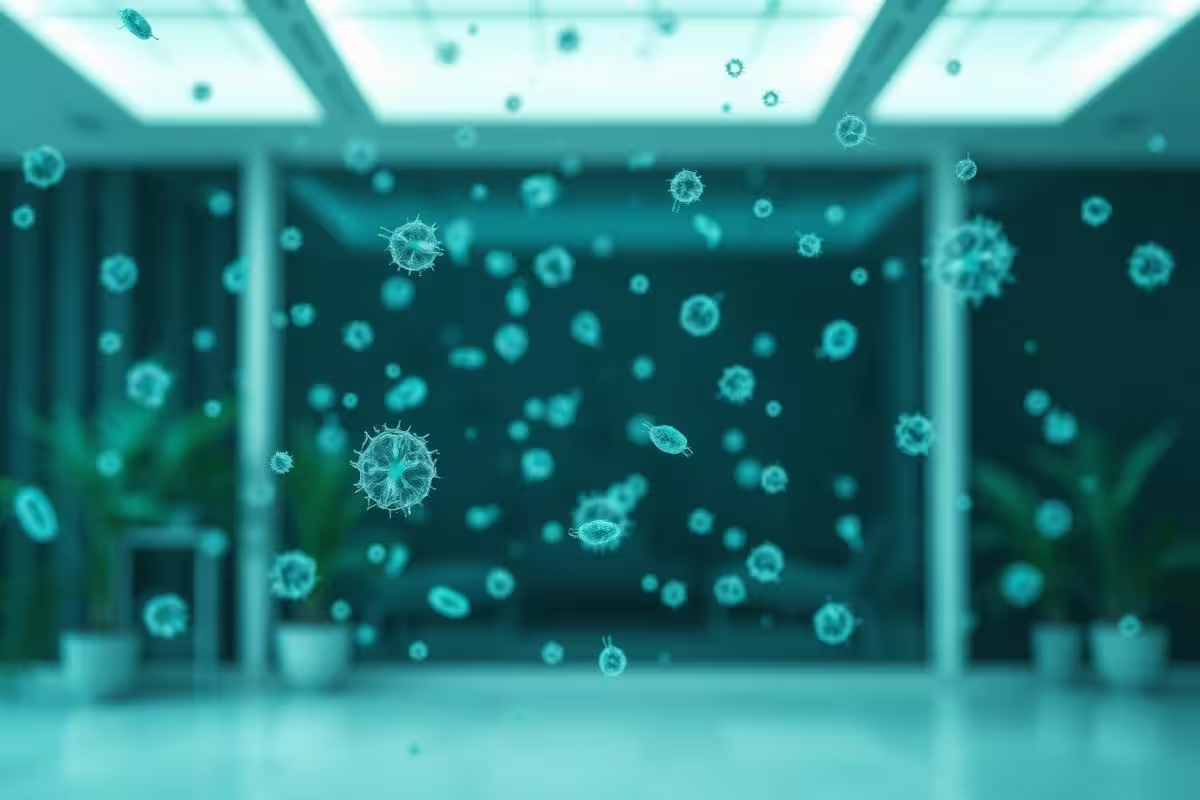
Traditional air filtration systems, including HEPA purifiers, ionizers, and UV-C devices, share a common limitation: they only treat air that passes through or near the device. Since research shows that up to 80% of indoor contaminants reside on surfaces rather than suspended in air, these technologies address only a fraction of the problem. Biological air filtration with probiotics breaks this paradigm by treating surfaces, fabrics, cracks, and HVAC ductwork directly.
The most significant recent advancement in biological air filtration is the development of automated probiotic dispersal systems. Companies like EnviroBiotics (formerly BetterAir) have created devices that release precisely calibrated doses of beneficial Bacillus bacteria on timed cycles. These bacteria travel with natural airflow and settle on every surface in the treated space, creating a persistent biological barrier against contamination.
Probiotic air purification systems now span multiple form factors. Portable units like the [BioLogic Mini](/product/biologic-mini) cover personal spaces up to 300 square feet. Room units like the [Biotica 800](/product/biotica-800) treat spaces up to 800 square feet. Hybrid devices like the [BA-2080](/product/ba-2080) combine HEPA filtration with probiotic dispersal. And HVAC-integrated systems like the [E-Biotic Pro](/product/ebiotic-pro) deliver probiotic treatment through existing ductwork to cover up to 25,000 square feet.
For allergy and asthma sufferers, biological air filtration offers unique advantages. Probiotic bacteria don't just trap allergen particles; they enzymatically break down the organic proteins that cause allergic reactions. Independent lab testing has demonstrated measurable reduction in dust mite allergens (Der p 1), cat dander proteins (Fel d 1), and mold spore counts within 30 days of continuous probiotic treatment.
The safety profile of biological air filtration using Bacillus probiotics is well established. The strains used in probiotic air purification systems are FDA GRAS (Generally Recognized As Safe) certified, EPA Registered, and carry MADE SAFE certification. They produce zero ozone, zero VOCs, and leave no chemical residues. Hospital studies have validated their safety in ICU environments with immunocompromised patients.
Chemical-free cleaning is another application of biological air filtration principles. Rather than using harsh disinfectants that evaporate within minutes and allow rapid surface recolonization, probiotic cleaners establish a persistent layer of beneficial bacteria that continues suppressing harmful organisms between cleanings. This approach is safer for children and pets while providing longer-lasting results.
Why This Matters
Understanding the difference between reactive filtration and proactive microbial balance is key to creating truly healthy indoor environments. This technology represents a fundamental shift in how we approach indoor air quality.
Looking ahead, biological air filtration technology continues to evolve. Current research focuses on optimizing probiotic strain combinations for specific environments, developing longer-lasting probiotic cartridges, integrating smart sensors for real-time environmental monitoring, and expanding HVAC applications for commercial buildings, healthcare facilities, and schools.
For consumers evaluating biological air filtration options, the key factors to consider are: verified third-party certifications (FDA GRAS, EPA, MADE SAFE), published peer-reviewed research, surface treatment capability (not just air filtration), coverage area, and ongoing cost of probiotic refills versus filter replacements. The most effective approach often combines biological air filtration with good ventilation practices and regular cleaning.
Ready to improve your indoor environment?
Discover our range of probiotic air purification solutions designed to create healthier spaces for you and your family.
Add EnviroBiotics as a preferred source
Get our latest research, guides, and air-quality insights highlighted in your Google experience.