
The science of a
healthier home.
Indoor air can be two to five times more polluted than outdoor air, and most of it begins on the surfaces around you. Learn how the indoor microbiome, allergens, and probiotic purification really work.

Most indoor problems start where light, dust, and surfaces meet.
Built around peer-reviewed microbiome research, allergen biology, probiotic hygiene studies, and independent product testing.
The Foundations
New to probiotic purification? These three guides explain the core idea: your home has a microbiome, many indoor triggers live on surfaces, and beneficial probiotics can help restore balance continuously.
What Is Probiotic Air Purification?
Probiotic air purification is not a better filter, it is a fundamentally different approach. Beneficial Bacillus probiotics travel through the air, settle on surfaces, and address the sources of the problem where filters never reach.
Best for: Anyone new to probiotic purification or comparing it to conventional air purifiers.
Read the guideHow to Reduce Mold and Allergens Naturally
Mold, dust mites, and pet allergens live in almost every home. The goal is not sterility, it is reducing triggers to levels your body tolerates. Practical steps plus biological support.
Best for: Allergy and asthma sufferers, pet owners, and anyone dealing with recurring mold or dust.
Read the guideHow EnviroBiotics Works
Three simultaneous mechanisms, competitive exclusion, antimicrobial production, and surface colonization, working continuously, 24/7, to maintain a protective microbial layer.
Best for: Anyone who wants to understand the biology before making a purchase decision.
Read the guideHow Probiotic Purification Works
Traditional air purifiers focus on what is floating in the air. EnviroBiotics is designed to go further by helping address the surfaces your air touches every day.
Beneficial probiotics are released into your indoor space
EnviroBiotics disperses selected Bacillus probiotics into the room. These beneficial microbes move with the natural air currents in your home.
They settle where filters cannot reach
The probiotics land on bedding, upholstery, carpets, counters, vents, pet areas, dust, and other high-contact surfaces, the places where many allergens, odors, mold spores, and microbes collect.
They compete with unwanted microbes
Beneficial probiotics compete with harmful bacteria and mold for space and nutrients. When beneficial microbes occupy the environment first, it becomes harder for unwanted organisms to establish and grow.
They support continuous surface-level balance
Chemical sprays act only at the moment of use. EnviroBiotics is designed for continuous dispersal, helping maintain microbial balance over time instead of relying on periodic treatment.
What brought you here?
Different homes have different problems. Choose the path that best matches your situation, then jump straight into the relevant guides.
I have allergies or asthma
I am worried about mold
I am comparing this to an air purifier
I want to understand the science
I want to understand safety
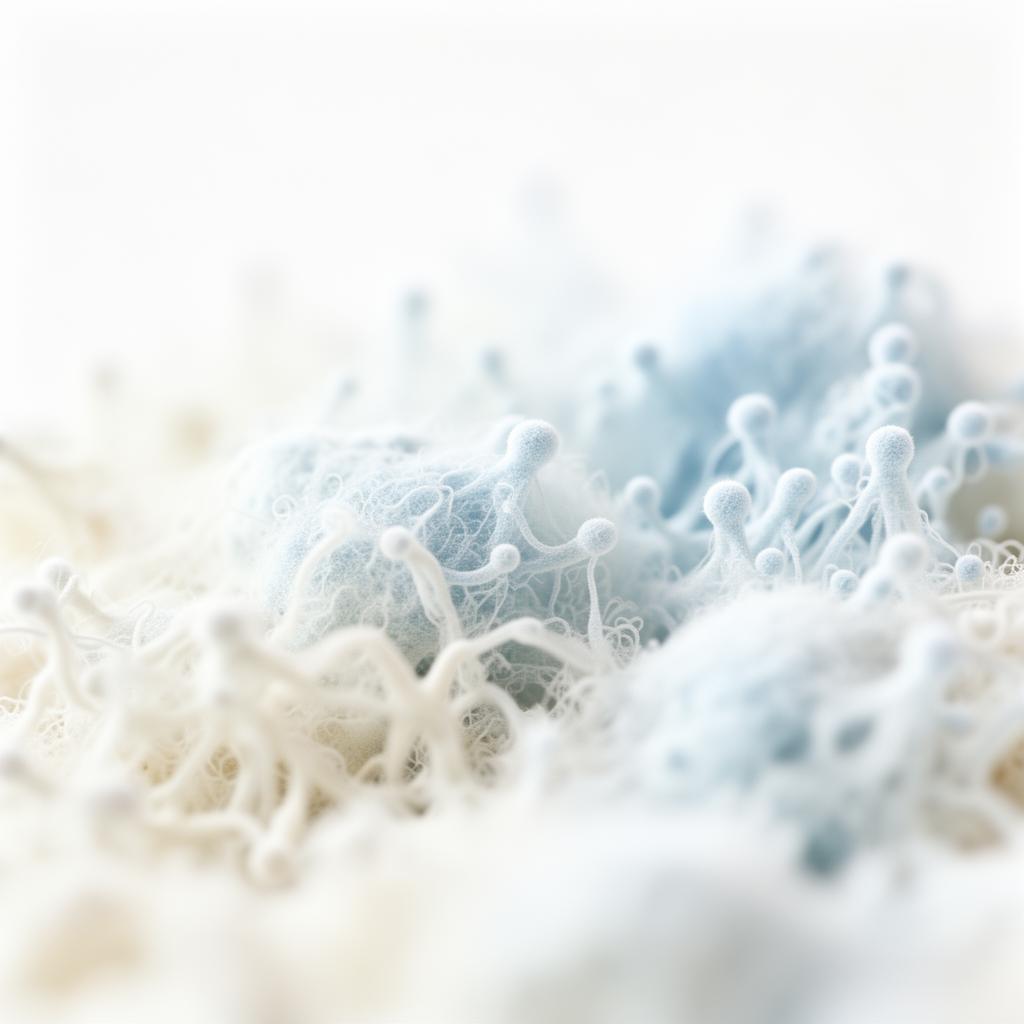
Your home is alive, and the balance matters.
Your home has its own microbial ecosystem. It can influence allergens, respiratory comfort, immune function, odors, and how your home responds to mold and dust. These guides explain what it is, how modern living changed it, and why balance matters more than sterilization.
What Is the Indoor Microbiome?
Your home is not sterile, it is alive. Thousands of microbial species form an ecosystem as complex as a rainforest, but more intimate. Modern construction and chemical cleaning have changed it in ways that affect how your home behaves.
Best for: Anyone new to indoor air quality science who wants to understand the foundation.
Read the guideThe Hygiene Hypothesis Explained
Reduced exposure to beneficial environmental microbes, especially early in life, may disrupt how the immune system develops. The issue isn't dirt; it's microbial diversity and balance.
Best for: Parents concerned about allergies and asthma, and anyone curious about the link between cleanliness and immune function.
Read the guideThe triggers live where you sleep.
Most people think indoor air problems float in the air. In reality, many common triggers settle on surfaces first, bedding, mattresses, carpets, upholstery, HVAC systems, pet areas, and dust, and resuspend with every movement.
Dust Mite Allergens
Der p1 and Der f1 are among the most common triggers for indoor allergies and asthma. They accumulate in fabrics and dust, especially in bedrooms, and resuspend with every movement.
Best for: Allergy and asthma sufferers, pet owners, and anyone with recurring respiratory symptoms.
Read the guideMold Indoors
Mold grows wherever moisture, organic matter, and poor airflow meet. Visible mold is often only part of the problem, spores and fragments spread into dust and air.
Best for: People dealing with recurring mold problems, damp basements, bathrooms, or HVAC concerns.
Read the guidePet Dander
Fel d1 and Can f1 are among the stickiest, most persistent indoor allergens. They cling to fabric and travel between homes, remaining for months even after a pet is gone.
Best for: Pet owners with allergies or asthma, and families concerned about pet allergen exposure.
Read the guide
Beneficial microbes, working continuously.
Probiotic purification rests on a simple biological idea: beneficial microbes can shape the environment by competing with unwanted organisms for space, nutrients, and colonization sites. It has been studied for decades in agriculture, microbiology, and hospital hygiene.
The Science of Competitive Exclusion
When beneficial probiotics occupy a surface first, they compete with unwanted bacteria and mold for nutrients, adhesion sites, and space, creating a more stable microbial environment over time.
Best for: Anyone who wants to understand the core mechanism behind probiotic purification.
Read the guideUnderstanding FDA GRAS Status
GRAS, Generally Recognized As Safe, is a safety designation for substances and ingredients evaluated for their history of safe use. For probiotic products, strain identity and selection matter most.
Best for: Anyone concerned about product safety, health-conscious families, and people with chemical sensitivities.
Read the guideProbiotic vs. Chemical Disinfection
Chemical disinfectants can be fast, but they leave residues, disrupt microbial balance, and stop working once the chemistry breaks down. Probiotic hygiene takes a longer-term, biologically balanced approach.
Best for: Anyone weighing the health impact of chemical cleaners, especially families with asthma or chemical sensitivities.
Read the guideCommon Indoor Allergens at a Glance
Where common indoor allergens come from, where they collect, and why they are difficult to remove with air filtration alone.
| Allergen | Source | Primary trigger | Common locations | Why it persists |
|---|---|---|---|---|
| Der p1 | Dust mite feces | Asthma, allergic rhinitis | Bedding, mattress, carpet, upholstery | Accumulates in fabric and dust; resuspends easily. |
| Der f1 | Dust mite feces | Allergic asthma, eczema | Mattresses, soft furniture, rugs | Persists for months; survives normal cleaning. |
| Fel d1 | Cat skin and saliva | Severe allergic reactions | Furniture, clothing, walls, dust | Sticky and lightweight; spreads everywhere. |
| Can f1 | Dog skin, fur, saliva | Allergic rhinitis, asthma | Carpet, upholstery, beds, clothing | Travels via fabric and accumulates over time. |
| Mold spores | Damp areas, HVAC, walls | Respiratory irritation, asthma | Bathrooms, basements, vents, behind walls | Reproduces wherever moisture and organic matter exist. |
| Bacterial buildup | Skin, food, pets, dust | Odors, irritation | Counters, bedding, vents, dust | Continuously replenished from daily life. |
Source-level reduction matters because air filtration alone cannot reach the surfaces where these allergens accumulate.
Frequently Asked Questions
A healthier indoor environment, backed by science.
New guides, research summaries, and product updates are added regularly. If you have a question that is not answered here, contact the EnviroBiotics support team.
Contact us with questionsScience-backed purification for your home.
Explore the devices that put this research to work.


Content in the EnviroBiotics Education Center is written and reviewed by the EnviroBiotics Science Team. All claims are supported by independent laboratory research or peer-reviewed scientific literature. EnviroBiotics probiotic strains are evaluated under the FDA's GRAS framework and reviewed by independent toxicologists. Results may vary based on space size, environmental conditions, and continuous device operation.