Stop Over-Sanitization: Why Harsh Chemicals Hurt Your Indoor Microbiome
The post-pandemic disinfectant habit is wrecking the microbial balance of our homes. Here's what the research says, and the probiotic approach that works with biology instead of against it.
Key Takeaways
- Because the protection is biological, it does not wear off in the way a wet chemical does
- The protective layer continues working between cleanings and naturally rebuilds itself with each dispersal cycle
- None of this is an argument against cleaning
- Visible dirt and food residue still need to be wiped up
Walk down any cleaning aisle and you'll see the same promise printed in capital letters: kills 99.9% of germs. After several years of pandemic-era cleaning habits, many households are now spraying, wiping, and fogging more aggressively than ever. The intent is reasonable. The unintended consequences are starting to look serious.
A growing body of research suggests that the way we clean indoor spaces is altering the microbial environment we live in, often in ways that work against the very health outcomes we are trying to protect.
The Hygiene Hypothesis, Revisited
The hygiene hypothesis, first proposed in the late 1980s, observed that children growing up in extremely clean environments had higher rates of allergies, asthma, and certain autoimmune conditions than children exposed to a more varied microbial environment.
More recent research has refined this into what microbiologists now call the biodiversity hypothesis: human immune systems develop and regulate themselves through ongoing contact with a diverse community of microbes, most of which are harmless or beneficial. When that diversity collapses, immune systems can overreact to harmless triggers, contributing to allergies, eczema, and chronic inflammation.
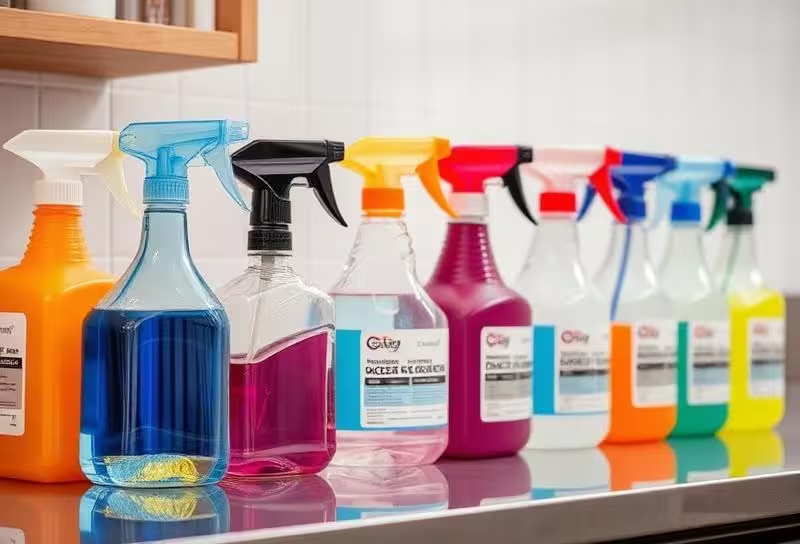
Indoor environments dominated by harsh disinfectants don't simply remove harmful organisms. They flatten the entire microbial landscape, beneficial organisms included. What grows back into that empty space is rarely the balanced community that was there before.
What Harsh Disinfectants Actually Leave Behind
VOCs and respiratory irritation. Many common disinfectants release volatile organic compounds during and after use. Studies have linked frequent occupational use of cleaning sprays to higher rates of adult-onset asthma. The same effect is now being observed in heavy household users.
Quaternary ammonium residues. Quats, a common active ingredient in spray disinfectants, leave a persistent residue on surfaces. They have been associated with skin sensitization and respiratory irritation, and there is emerging concern about their contribution to bacterial resistance.
Antimicrobial resistance. Repeated exposure to sub-lethal doses of antimicrobial chemicals is one of the documented drivers of antimicrobial resistance in indoor environments. The harder we push, the more selection pressure we put on the few organisms that survive.
"A surface that is freshly disinfected is also freshly empty. Whatever recolonizes it next has no competition. Often, that's not what you wanted growing there.
The Recolonization Problem
Within minutes to hours of being wiped down, a surface begins to recolonize with whatever microbes happen to land on it next: skin flora, kitchen organisms, pet-related microbes, airborne fungi. There is no biological preference for beneficial organisms in that empty space. In many cases, opportunistic pathogens colonize faster than benign organisms because they're better adapted to nutrient-poor, recently disturbed environments.
This is the central paradox of aggressive sanitization. The same act intended to eliminate harmful organisms creates ideal conditions for the next wave of contamination, with nothing in the way to slow it down.
A Different Approach: Working With Biology
Probiotic surface treatment takes the opposite approach. Instead of trying to sterilize an environment, it continuously seeds it with beneficial Bacillus probiotic strains that occupy surface space and consume the organic matter that pathogens, mold, and odor bacteria need to grow.
The mechanism is biological competition, not chemical attack. The probiotics produce no ozone, no VOCs, and leave no chemical residue. They are FDA GRAS certified, EPA Registered, and MADE SAFE certified. They are the same class of beneficial organisms used in food production and probiotic supplements. Read the full safety breakdown in Are environmental probiotics safe?, or see how the underlying technology compares to traditional cleaning.
Because the protection is biological, it does not wear off in the way a wet chemical does. The protective layer continues working between cleanings and naturally rebuilds itself with each dispersal cycle.
What This Means for Your Home
None of this is an argument against cleaning. Visible dirt and food residue still need to be wiped up. High-touch surfaces in shared spaces still benefit from regular attention. Hand washing still matters.
What the research argues against is the reflex to disinfect everything constantly, especially in private home environments where the actual risk profile rarely justifies it. A more measured approach looks like this: clean visible mess promptly, reserve heavy disinfection for genuine high-risk situations (illness in the household, raw meat preparation, healthcare-adjacent settings), and let a probiotic baseline do the continuous, gentle work of suppressing harmful organism populations on the surfaces you live with every day.
The BioLogic Mini covers personal spaces and bedrooms; larger living areas are typically served by the Biotica 800. Both run quietly in the background, dispersing safe probiotic strains on a timed cycle so the work happens whether or not you're thinking about it.
"The healthiest indoor environments aren't the most sterile. They're the ones with the right microbes in the right balance, suppressing the wrong ones without the collateral damage of constant chemical attack.
Frequently Asked Questions
Are you saying I shouldn't clean? No. Cleaning to remove dirt and obvious contamination is essential. The argument is against habitual, blanket disinfection of every surface, every day, in normal home settings.
Is probiotic surface treatment safe for kids and pets? Yes. The Bacillus strains used are FDA GRAS, EPA Registered, and MADE SAFE certified, with a strong safety record in households, schools, and healthcare environments.
Will probiotics interfere with my regular cleaning routine? Not in any meaningful way. You can continue normal cleaning. The probiotic layer rebuilds with each dispersal cycle.
How does this connect to antibiotic resistance? Heavy use of antimicrobial chemicals in homes contributes to selection pressure that drives resistance. A biological approach that relies on competition rather than killing avoids that pressure entirely. More on this in AMR and the indoor environment.
Ready to improve your indoor environment?
Discover our range of probiotic air purification solutions designed to create healthier spaces for you and your family.
Add EnviroBiotics as a preferred source
Get our latest research, guides, and air-quality insights highlighted in your Google experience.